

Travel Guide to Raja Ampat, Indonesia: The Last Paradise on Earth

Raja Ampat is one of those rare places that actually lives up to the hype. I have always wanted to visit here, and it completely exceeded by expectations. Remote, raw, and impossibly alive, it’s a scattering of islands where jungle meets reef in the most unfiltered way. There’s a reason its often called the “last paradise on Earth”.
Why Raja Ampat?

There’s a reason Raja Ampat is often considered one of the most extraordinary marine destinations on the planet. Located within the Coral Triangle, Raja Ampat is home to some of the highest marine biodiversity levels in the world. The region contains over 75% of all known coral species on Earth, along with more than 1,500 species of fish and countless other marine creatures from reef sharks and mantas to tiny pygmy seahorses hidden within the coral.

What makes it so special isn’t just the numbers, though it’s how alive everything feels. The reefs here are incredibly healthy, vibrant, and packed with movement everywhere you look. Even a casual snorkel can feel like swimming through a nature documentary. Unlike many tropical destinations where marine life has noticeably declined, Raja Ampat still feels wild, thriving, and remarkably untouched. It’s one of the few places left where you genuinely feel like nature is still fully in charge.
Getting There:

Getting to Raja Ampat is not simple, and that’s part of what keeps it so special. When you book your travel you would want to book your trip to Jakarta first. After this you would have to book a short domestic flight to Sorong, the gateway into Raja Ampat. From Sorong, you will have to take a boat transfer or ferry based on where your first stop is. Many liveaboards also start from here.
If you stay in a resort like we did , they will coordinate all your transfers from Sorong.
We only stayed in Central Raja Ampat this time around so I will focus on that in this blog post.
Where We Stayed:
We split a week between two very different stays — the quiet, barefoot rhythm of Papua Paradise Eco Resort and the legendary dive-focused world of Papua Diving Resorts (Sorido Bay & Kri Eco area). And honestly, that combination felt like the best way to experience Raja Ampat .
Papua Paradise Eco Resort ( on Birie island near Batanta )
Papua Paradise Eco Resort somehow manages to feel adventurous and luxurious at the same time. The resort grounds felt like a true barefoot luxury retreat tucked deep within nature. Everything had a rustic-chic charm like the wooden walkways stretching over turquoise water, lush jungle surrounding the property, and traditional overwater bungalows that blend seamlessly into the environment. Read more about our stay in my blog post here.


Papua Diving Resorts : Sorido Bay & Kri Eco Resorts ( on Kri )
There are certain places in the world that completely shift your perspective on nature and Raja Ampat is one of them. But what made our experience even more special was staying with the pioneers of Raja Ampat diving themselves: Papua Diving Resorts. Founded by Max Ammer, one of the original explorers of Raja Ampat who discovered and mapped many of the region’s most iconic dive sites, Papua Diving Resorts has spent decades helping protect and preserve this extraordinary corner of the planet.
Their two sister properties Kri Eco Resort and Sorido Bay Resort sit side by side on Kri Island in the heart of the Dampier Strait, placing you minutes away from some of the most biodiverse reefs on Earth. We split our time here across both sister properties, read more in my blog post here.


Things Not to Miss in Central Raja Ampat
1. Snorkeling & Diving
This is obviously the number one reason people come to Raja Ampat and it somehow still exceeds expectations. One thing we absolutely loved was how snorkel-friendly our entire trip felt. We were going out for 3–4 snorkel sessions a day, and what makes Raja Ampat so special is that many of the iconic dive sites are just as incredible from the surface.

Every single snorkel felt different. Some were packed with massive schools of fish, others had the healthiest coral gardens we’ve ever seen, and some just felt like floating through an aquarium with visibility so clear it barely looked real.

Some of our favorite snorkel spots (in no particular order):
- Cape Kri ( has the world record for the most number of fish species seen in a single dive!)
- Mike’s Point
- Fam Slope
- Melissa’s Garden
- Pulau Dua
- Wai Island
2. Fam Islands
The Fam Islands excursion was easily one of the highlights of our entire trip. The scenery throughout the whole journey is breathtaking – dramatic limestone karsts rising from impossibly turquoise water, tiny jungle-covered islands, and hidden lagoons everywhere you look. It genuinely feels almost too beautiful to be real.

Piaynemo viewpoint is every bit as stunning as the photos make it look, if not more. After the short climb, you’re rewarded with that iconic Raja Ampat landscape of emerald islands scattered across electric blue water. It honestly looked like a desktop screensaver come to life.

3. Batanta Waterfall
One of the things I loved most about Raja Ampat was how the experience wasn’t just about the ocean. The Batanta waterfall excursion takes you through mangroves and jungle before reaching a hidden waterfall tucked deep within the island.

After spending days in saltwater, swimming in cool freshwater surrounded by dense rainforest felt so refreshing. It’s peaceful, quiet, and such a nice contrast to the reef-heavy days.

4. Kali Biru River
Kali Biru was one of the most unexpectedly beautiful places we visited.

The water here is an unreal shade of crystal-clear blue , so vibrant it almost doesn’t look natural. Swimming through the river surrounded by jungle felt incredibly surreal and calming at the same time. It’s one of those places that photos really don’t do justice.

5. Beaches & Sandbars
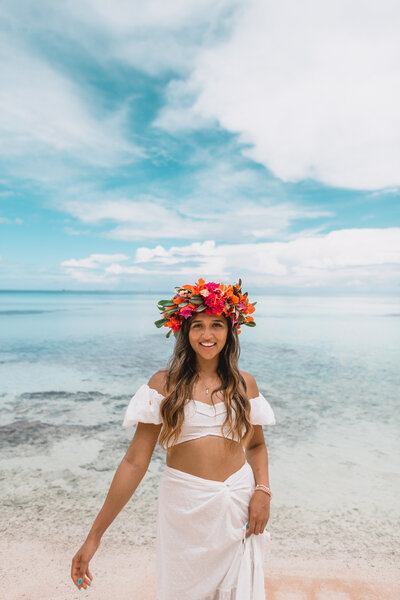
Some of the dreamiest moments in Raja Ampat happen between activities during surface intervals. During boat rides and surface intervals, we’d often stop at tiny sandbars or completely empty beaches surrounded by shallow turquoise water. Soft white sand and just endless shades of blue in every direction.


6. Bird Watching
Raja Ampat isn’t just incredible underwater, it’s also home to some of the most exotic bird species in Indonesia, including the famous Red Bird-of-Paradise.

One of our favorite experiences was the hornbill sunset excursion, where we watched hornbills fly across the sky as the islands turned golden at sunset. It felt incredibly untouched and wild. If you wake up early enough, you can also do bird-of-paradise excursions deep into the jungle — one of the most unique wildlife experiences in the region.

Practical Notes
Getting there: Fly into Sorong (via Jakarta/Makassar/Bali), then boat transfers arranged by resorts
Connectivity: very limited. WiFi is usually in common areas in resorts.
What to pack: reef-safe sunscreen, rash guards, dry bag, underwater camera if possible
Best time: generally October–April for calmer conditions, but diving runs year-round
How many days : 1-2 weeks. Keep in mind transfers between islands take time, so its best to stay for a minimum of 4-5 days per island.

Final Thoughts

Raja Ampat feels less like a destination and more like a reminder of what the natural world looked like before everything became overdeveloped and overcrowded. As one of the most biodiverse marine ecosystems on the planet, the sheer amount of life here is hard to comprehend until you see it for yourself. The reefs feel endless, the water is constantly moving with marine life, and every dive or snorkel somehow reveals something new. People call Raja Ampat “the last paradise on earth,” and honestly, after spending a week there, it’s hard to argue with that title.
Thanks for stopping by! xo
Jyo